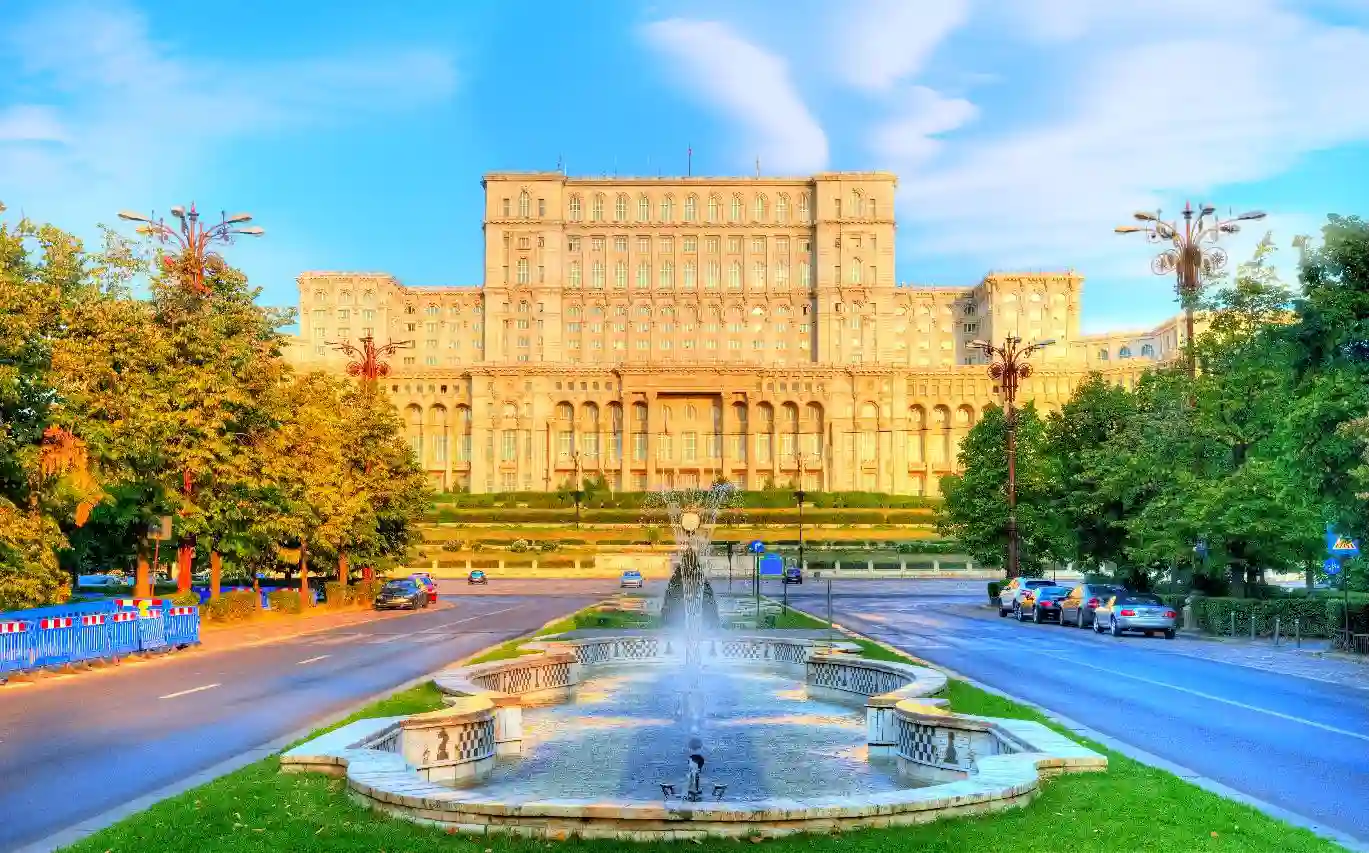
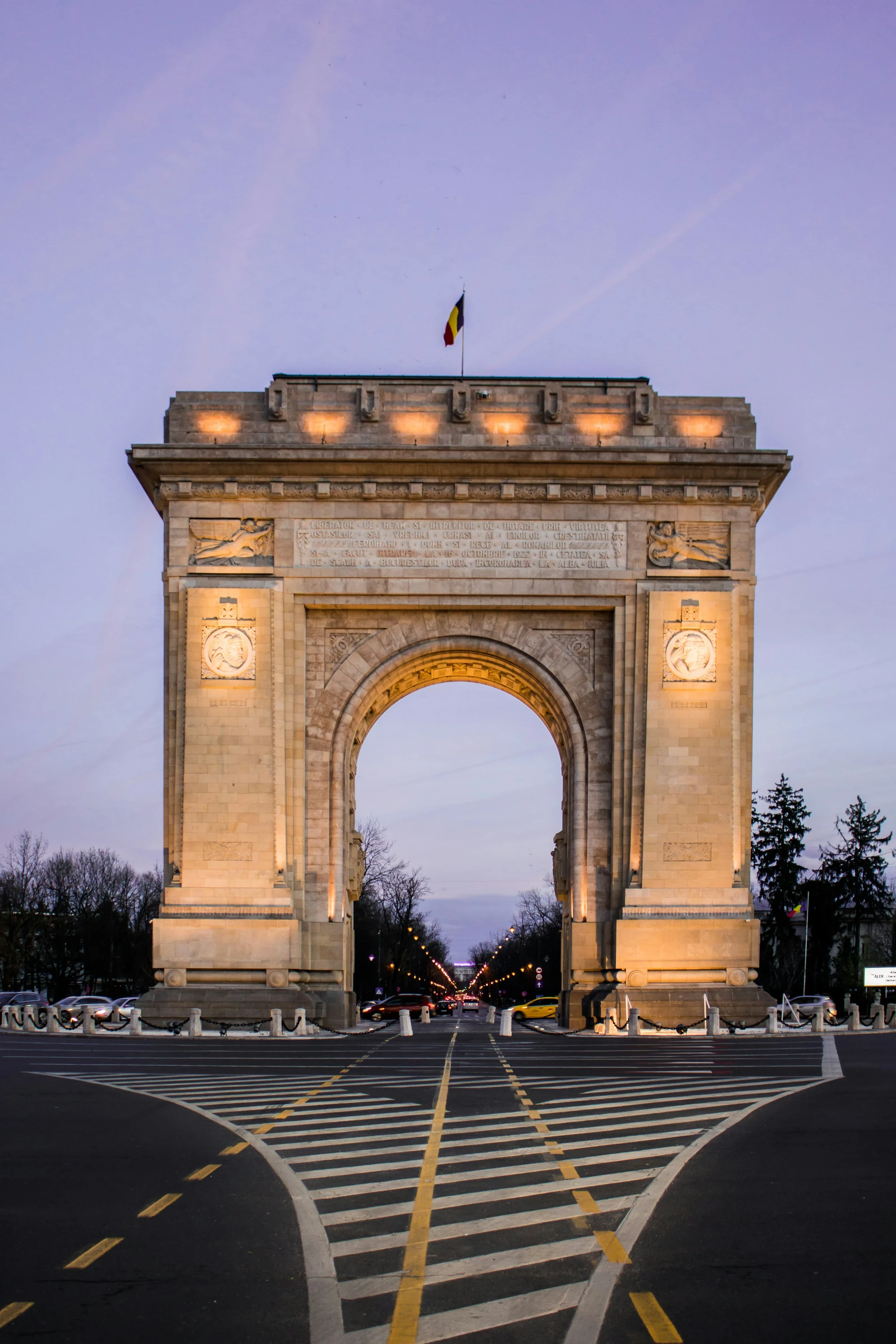
Our adventure will begin in Romania's capital, a city where East and West meet in a lively blend of history and modern life. After a warm welcome and a comforting breakfast, we will step into the cobbled lanes of the Old Town, where merchants once traded silks and spices.
At Curtea Veche, the Old Court, we will stand where Vlad the Impaler once ruled in the 15th century. His name inspired Bram Stoker's Dracula, yet here we will discover the real prince: a Wallachian ruler who fought fiercely against Ottoman expansion.
Later, as we wander Lipscani — once the commercial heart of the city — baroque façades and lively cafés will surround us, carrying whispers of medieval guilds and royal parades. Lunch and dinner will be shared in welcoming local inns, where fresh, traditional dishes will root us in Romanian flavors. At night, we will rest in a cosy Bucharest hotel, ready for the discoveries ahead.
We will leave Bucharest after breakfast and follow the road to Târgoviște, once the proud capital of Wallachia for over three centuries. At the Princely Court, we will see the Chindia Tower — built under Vlad the Impaler — which still stands as a symbol of his reign and the city's resilience. Here, rulers held trials, battles were planned, and legends were born.
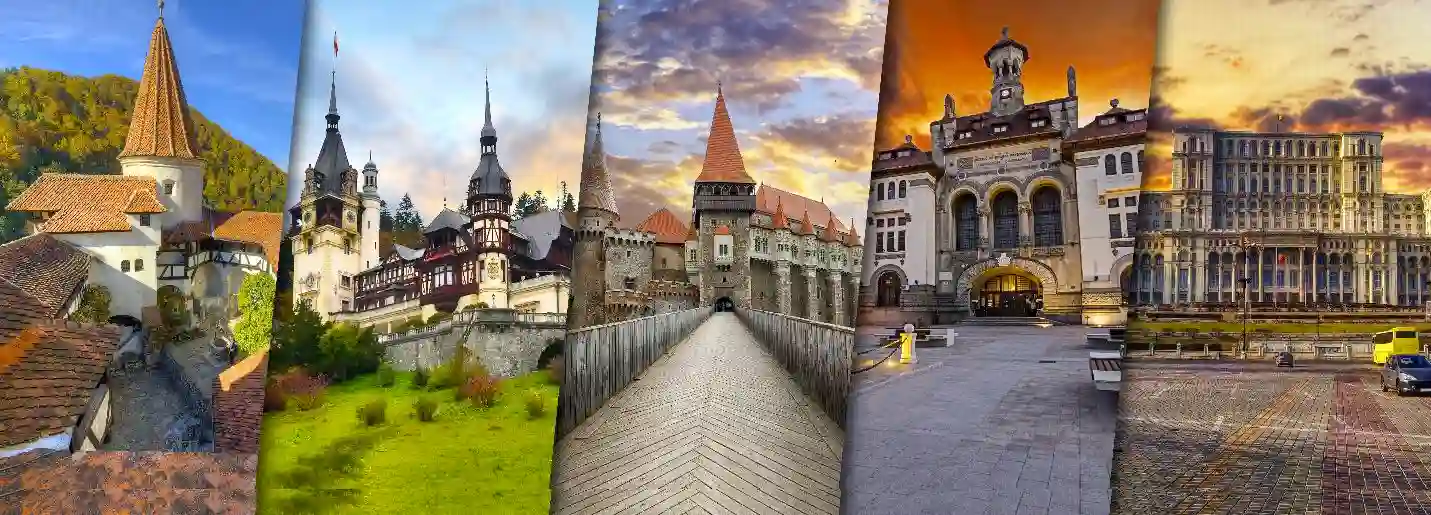
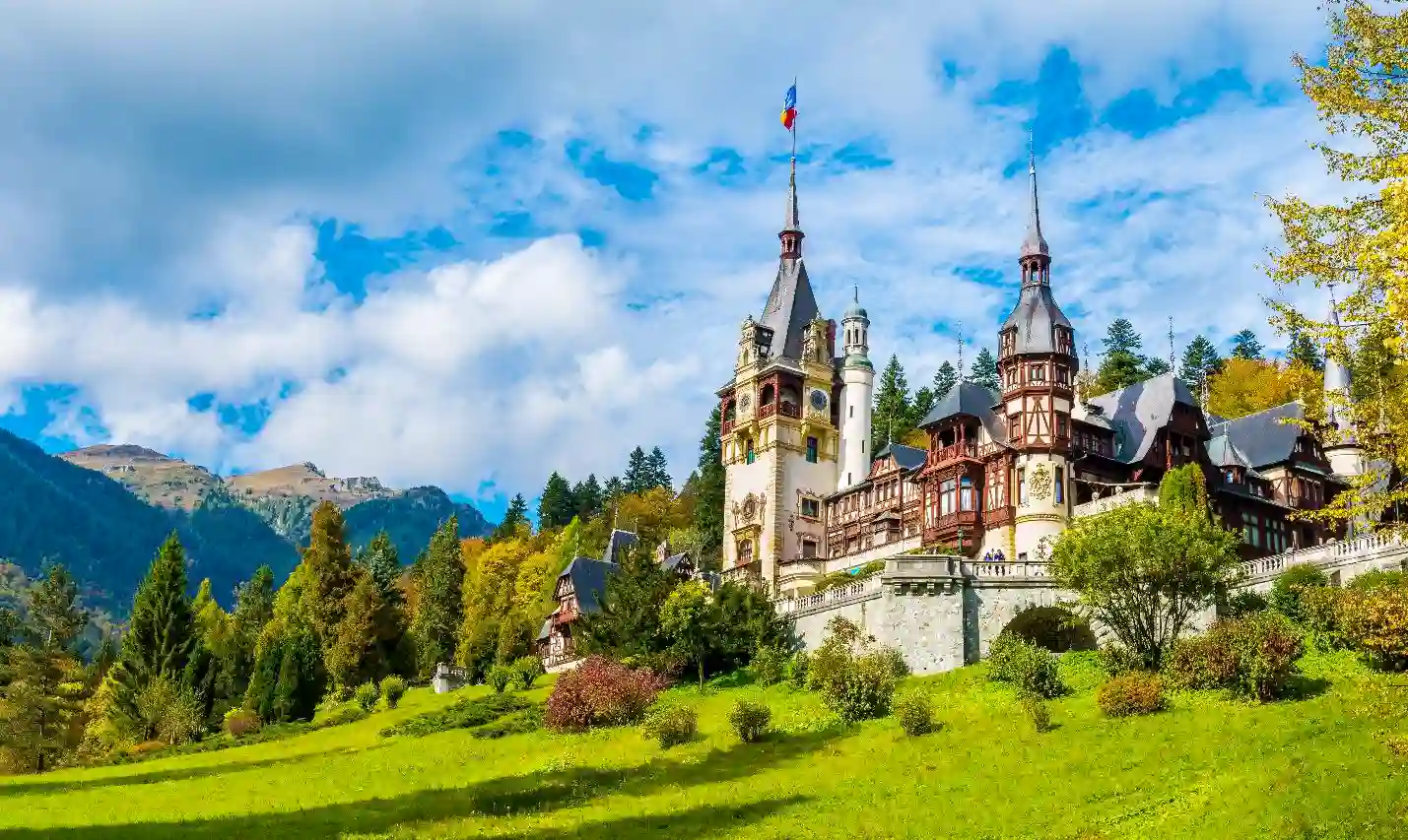
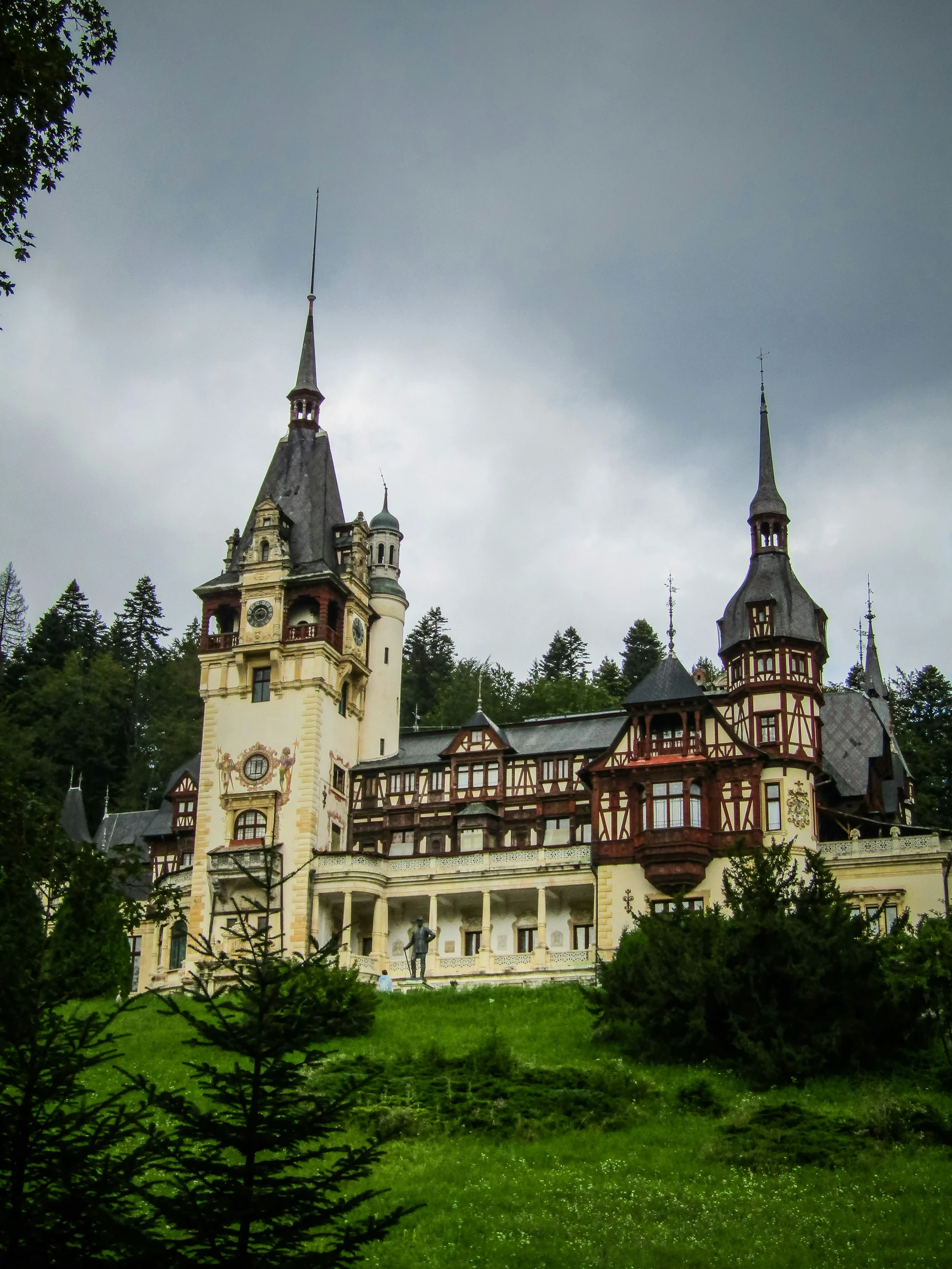
From here, the journey will guide us through rolling hills toward Sinaia, the "Pearl of the Carpathians." Peleș Castle, built in the late 19th century by King Carol I, will open its richly decorated rooms to us, a blend of German Renaissance and Italian elegance. Next door, Pelisor will reveal its art-nouveau interiors, once the residence of Queen Marie.
Lunch and dinner will bring us mountain flavors, served in charming restaurants. In the evening, we will settle into a welcoming Sinaia hotel, embraced by crisp alpine air.
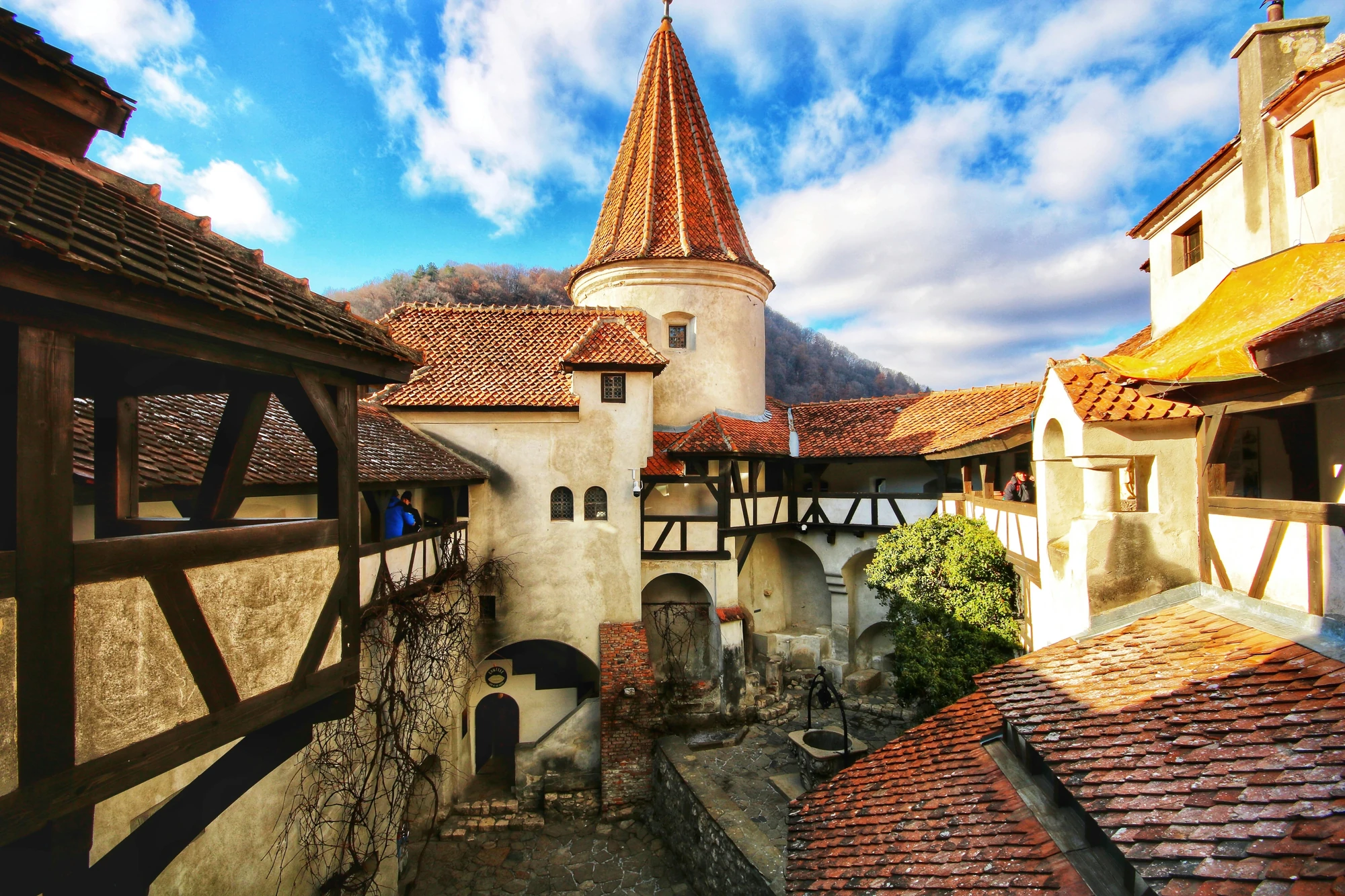
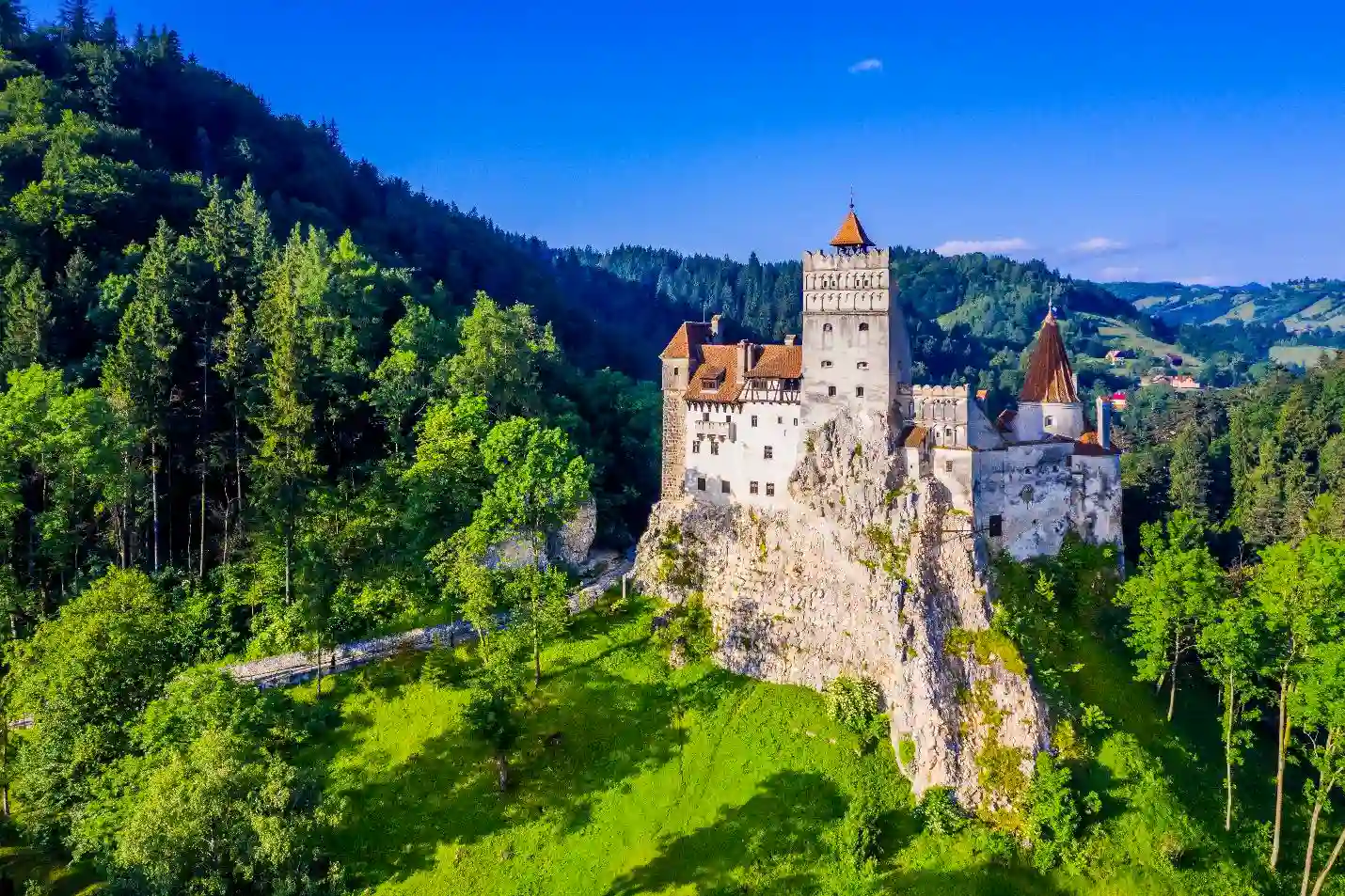
After breakfast, we will journey to Bran Castle, a fortress first mentioned in documents of 1377. Built by Saxon settlers of Transylvania, it later became a key customs post between the regions of Wallachia and Transylvania. Its labyrinth of towers and courtyards will remind us of centuries of trade, battles, and folklore. Though often linked to Dracula, the real history of Bran Castle is even more fascinating.
Our next stop will be the sturdy Râșnov Citadel, erected in the 13th century by Teutonic knights to shield villagers from invaders. Its thick walls and high vantage point will let us feel like guardians of the valley.
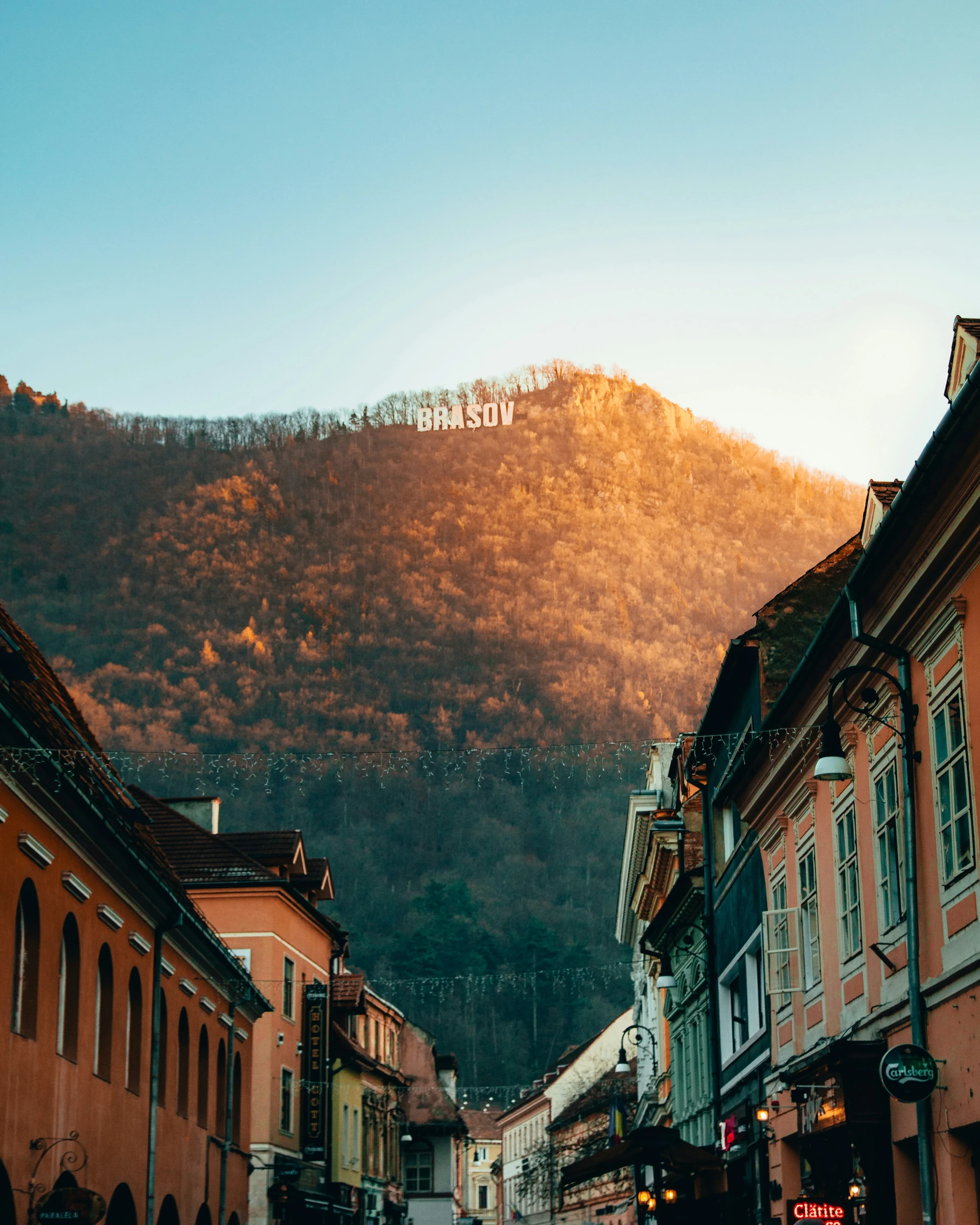
By late afternoon, we will arrive in Brașov, founded by German settlers in the 12th century, where pastel houses, Gothic churches, and lively squares will greet us. Local meals will keep us nourished through the day before we rest in the heart of Brașov.
After a hearty breakfast, we will head east to Prejmer, home to the largest fortified church in southeastern Europe, built by the Teutonic knights around 1212. Its mighty walls protected villagers from over 50 sieges across the centuries, and walking within them will let us imagine the tense days of medieval invasions.
We will continue to Făgăraș Fortress, built in the 14th century and later transformed into one of Transylvania's strongest citadels. It served as both a noble residence and a defense post, housing princes of Transylvania and resisting Ottoman attacks.
Lunch will refresh us before we return to Brașov, where dinner and a peaceful evening will await in our charming hotel.
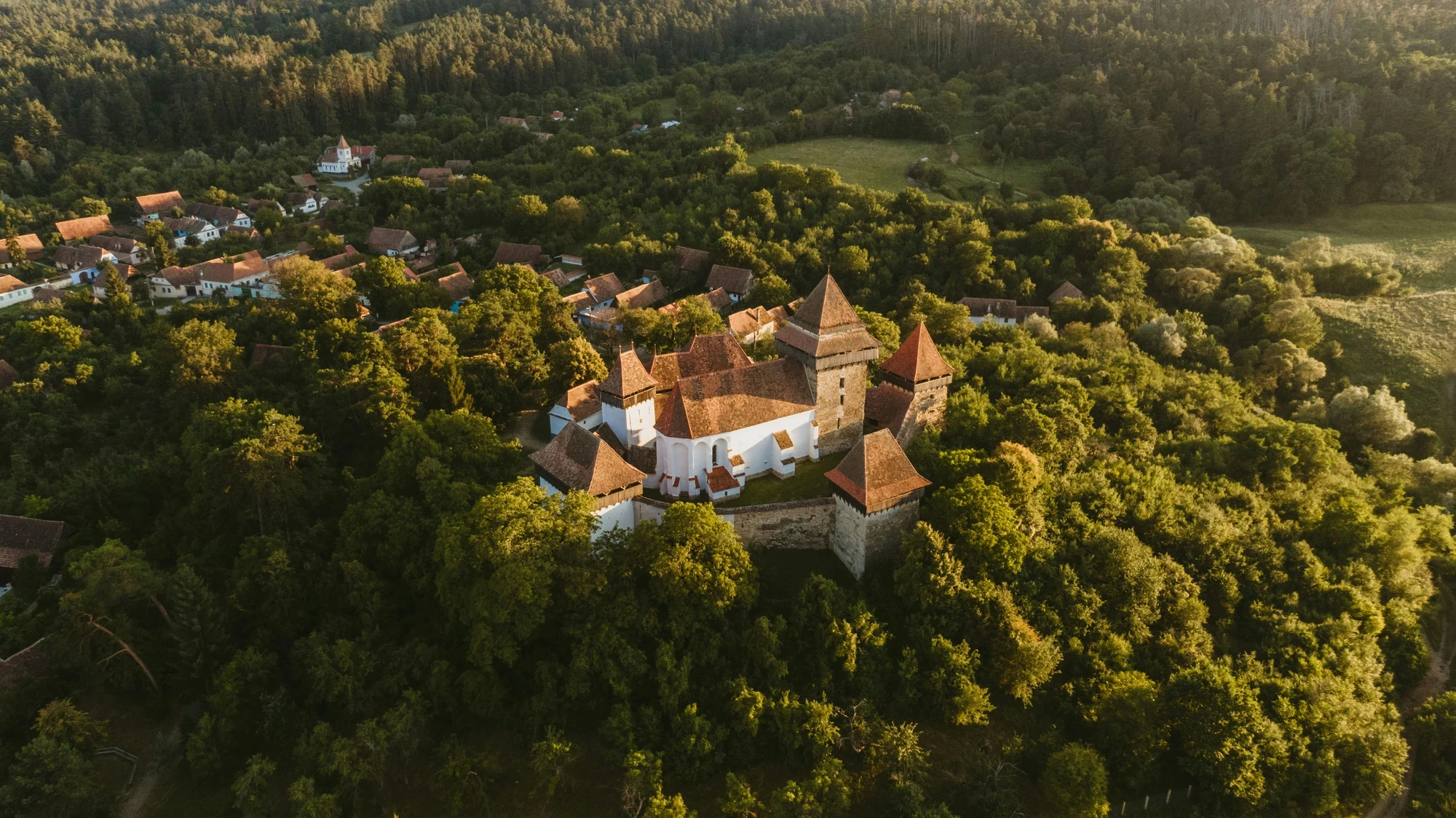
Breakfast will set us on our way to Viscri, a UNESCO-listed Saxon village that charmed even King Charles III, who owns a home here. Its fortified church, dating back to the 12th century, once sheltered villagers from danger. Today, the quiet streets, whitewashed houses, and horse carts will feel like stepping back in time.
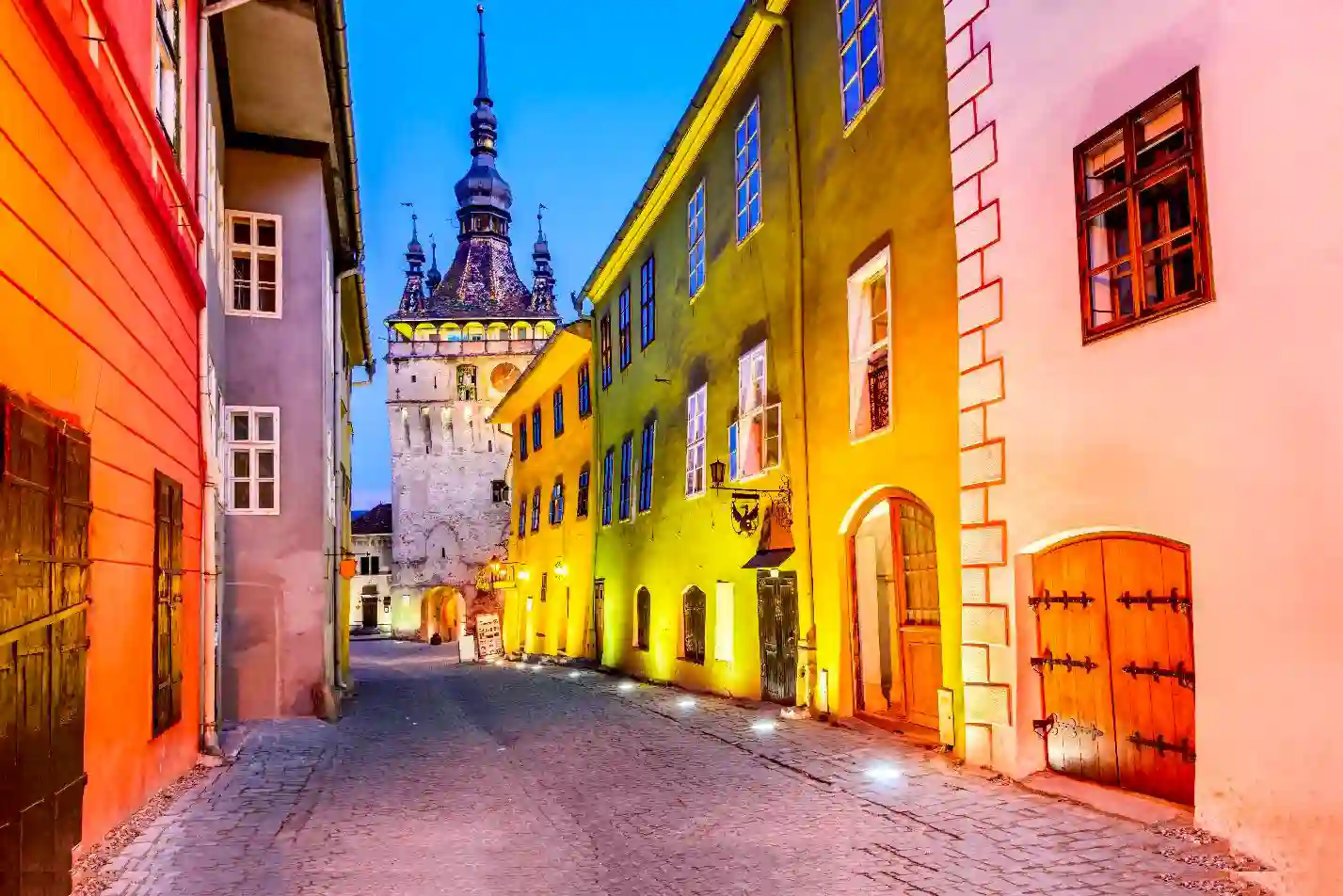
By afternoon, we will arrive in Sighișoara, one of Europe's best-preserved inhabited citadels. Founded in the 12th century, it became a flourishing trade center and the birthplace of Vlad the Impaler. We will climb to the Clock Tower, admire the Guild towers, and walk the Scholar's Stairway.
Lunch and dinner of local delights will complete our medieval day before we rest overnight inside the citadel walls.
In the morning, we will visit Mediaș, once a bustling merchant town famous for its fortified churches and watchtowers. The Trumpeter's Tower, slightly leaning, has watched over the town since the 15th century and served as a warning post against Ottoman raids.
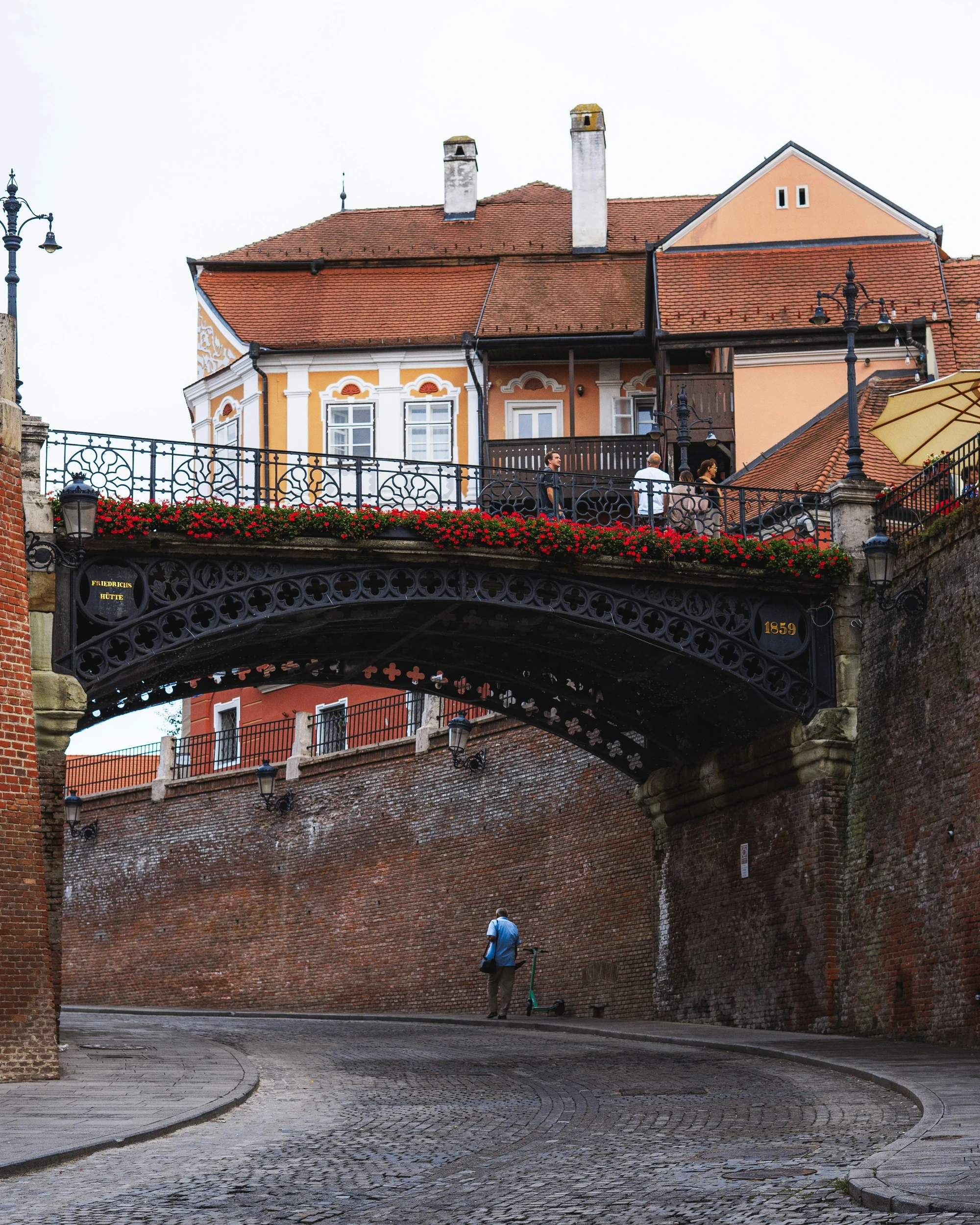
By afternoon, we will reach Sibiu, a former European Capital of Culture. Founded by Saxon settlers in the 12th century, its "Great Square" and "Small Square" will welcome us with Gothic and baroque architecture. Sibiu once belonged to the powerful "Seven Citadels" of Transylvania (Siebenbürgen), and its fortifications still encircle parts of the town.
Meals will be shared in welcoming taverns, and our overnight stay will be right in the heart of the Old Town.
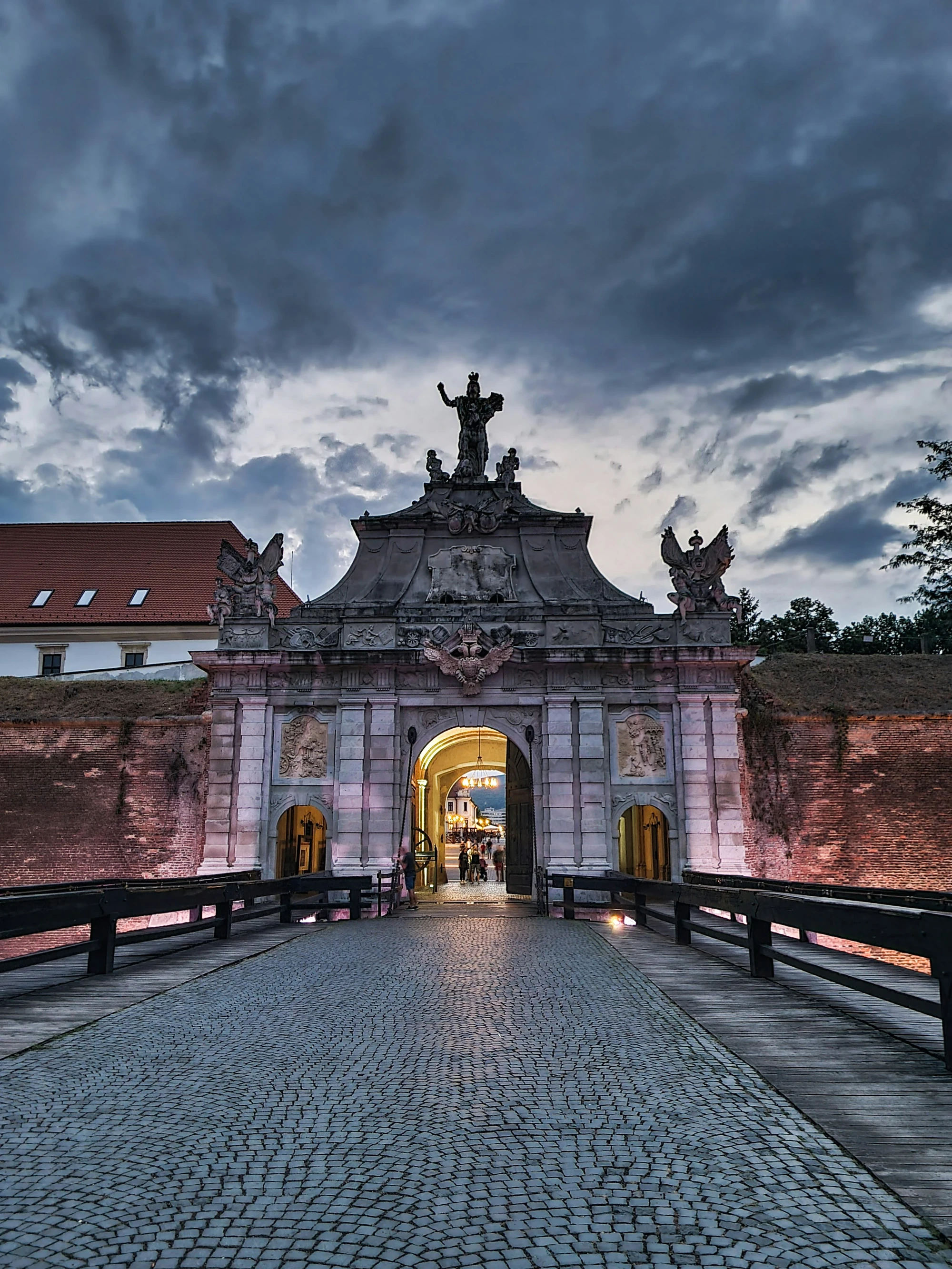
After breakfast, we will drive to Alba Iulia, a city that holds deep symbolic meaning for Romanians. Its star-shaped Vauban citadel, rebuilt in the 18th century, houses both Catholic and Orthodox cathedrals and was the site where the Great Union of Romania was declared in 1918. We will walk along wide boulevards that once saw emperors and generals ride.
In the afternoon, Corvin (Hunyadi) Castle will rise dramatically in Hunedoara. Built in the 15th century by the Hunyadi family, it is one of Europe's largest Gothic castles, with soaring towers, a drawbridge, and great halls that hosted kings and crusaders.
Lunch and dinner will punctuate our day with authentic flavors, before returning to Sibiu for another restful night.
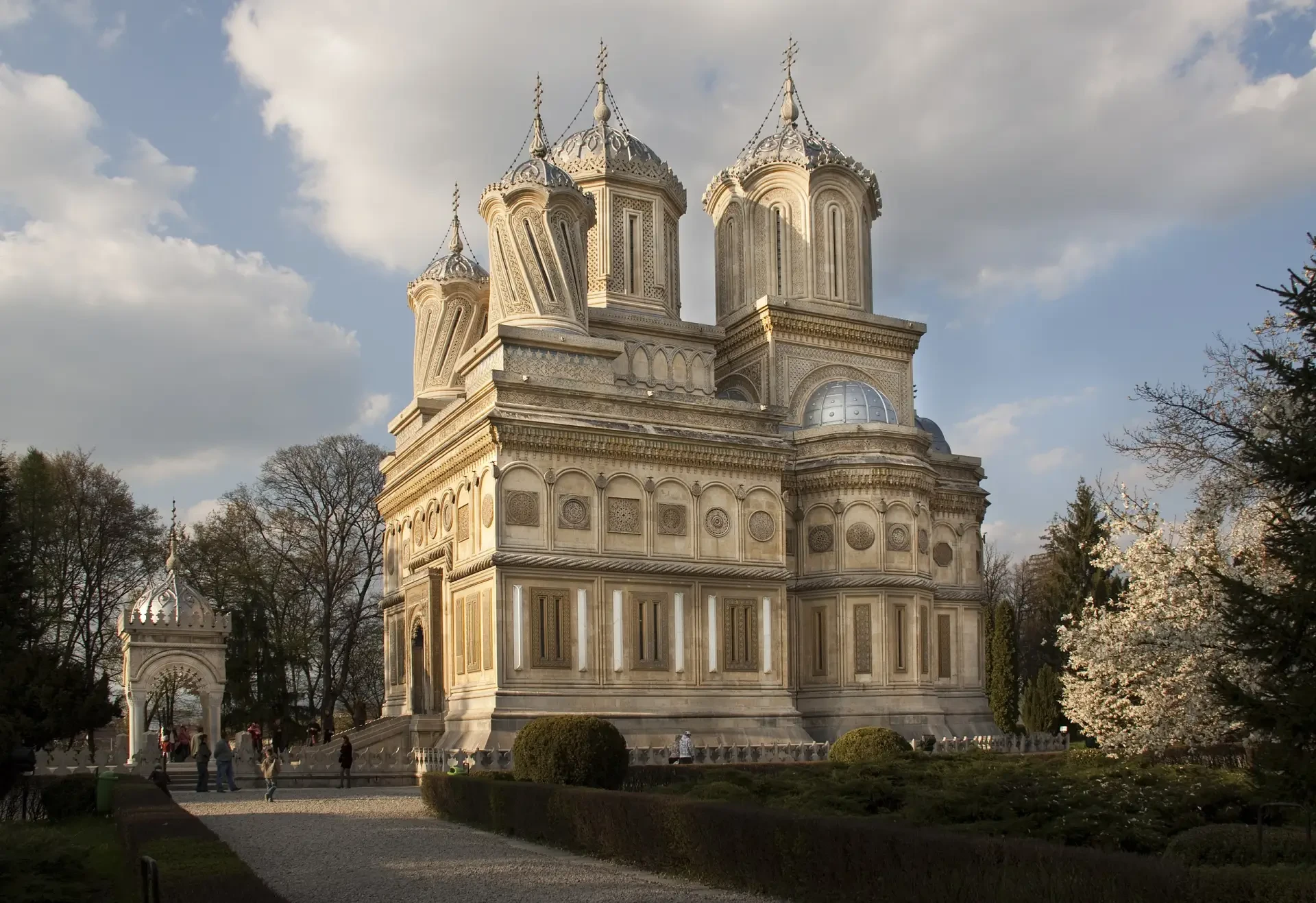
This morning, we will journey south to Curtea de Argeș, one of Romania's earliest capitals. Here, the 16th-century monastery, built by Neagoe Basarab, will astonish us with its delicate stonework, legends of the master builder Manole, and its role as the burial place of Romanian kings and queens.
Nearby, the ruins of the medieval royal court remind us of Wallachia's early rulers, who defended these lands long before Bucharest rose to prominence.
With comforting meals throughout the day, we will rest in Curtea de Argeș, surrounded by history and the serenity of sacred art.
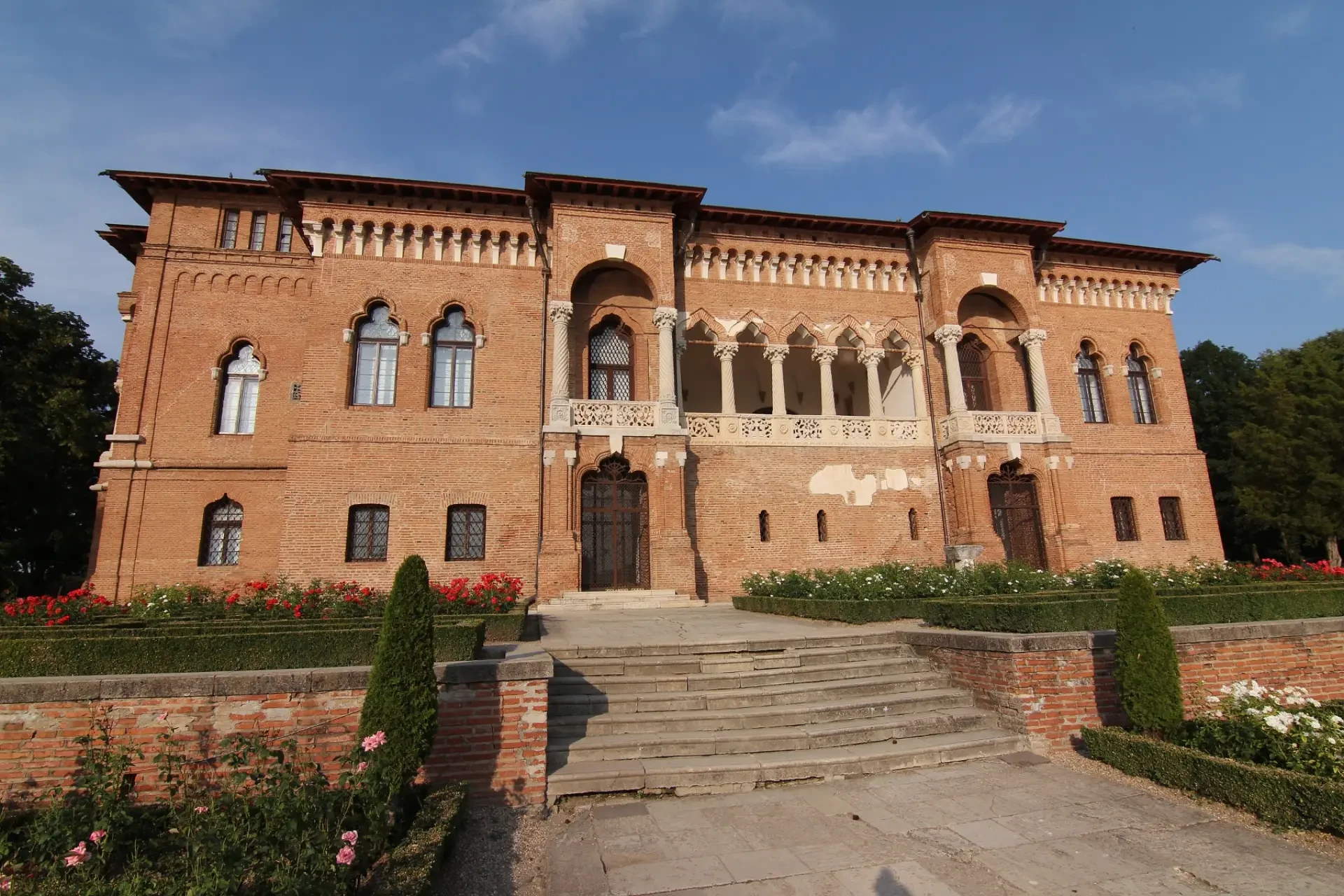
After breakfast, we will make our way back toward Bucharest, pausing at Mogoșoaia Palace. Built by Prince Constantin Brâncoveanu in 1702, it showcases the unique Brâncovenesc style — a blend of Byzantine, Ottoman, Renaissance, and Baroque influences. Its peaceful gardens and lakeside setting will be the perfect finale to our journey.
By afternoon, we will return to Bucharest for a farewell lunch and a final dinner together, celebrating the memories of fortresses, castles, and medieval towns we have discovered.
We will spend our last night in the capital, completing our circle of legends and crowns.